Bamboo: A Blessing With Boundaries
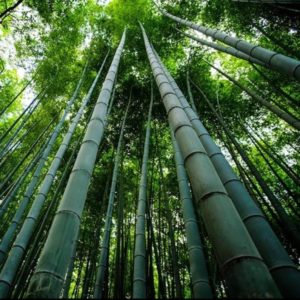
Bamboo has long been celebrated in the Philippines for its versatility, sustainability and cultural significance. From traditional bahay kubo structures to modern eco-friendly furniture, bamboo is a fast-growing resource that supports livelihoods, reduces carbon emissions and offers a renewable alternative to timber.
Its roots help prevent soil erosion, especially in upland areas, and its resilience makes it ideal for disaster-prone regions. In recent years, bamboo farming has gained traction as a climate-smart solution, with government and private initiatives promoting its cultivation for construction, crafts, and even bioenergy.
Yet, while bamboo brings undeniable benefits, its unchecked growth can cause friction – especially among neighbors. Certain species of bamboo spread aggressively through underground rhizomes, encroaching on adjacent properties and disrupting gardens, fences, and drainage systems.
In densely populated barangays, disputes may arise when bamboo shoots pierce concrete walls or block pathways. The rustling of tall bamboo groves can also become a nuisance, especially during storms, when branches sway violently or fall, posing risks to nearby homes.
Even the leaves, though light and graceful, can accumulate in neighbors’ gutters and downspouts, clogging rainwater flow and creating maintenance headaches during the monsoon season.
Moreover, bamboo’s rapid growth demands regular maintenance. Without trimming, it can become a fire hazard in dry seasons or harbor pests like mosquitoes and snakes. Some communities have raised concerns about bamboo obstructing sunlight, drying up nearby plants, or even damaging septic systems with its invasive roots.
The key lies in responsible planting and neighborly dialogue. Bamboo should be cultivated with clear boundaries, using root barriers or clumping varieties that are less invasive. Barangay ordinances and community agreements can help manage disputes, ensuring that bamboo remains a shared asset rather than a source of tension.
In essence, bamboo is both a gift and a responsibility. When cultivated with care, it can enrich communities, enhance the natural landscape, and support a more sustainable future. Yet like any living thing, its growth benefits from thoughtful guidance – not only from nature, but from clear boundaries and shared stewardship.* (Robert Harland)



Comments