City Conducts Sector-Specific Dengue Discussions to Boost Prevention Efforts
The Bacolod City Government held three targeted dengue awareness and prevention sessions on January 28 as part of its intensified campaign against the disease, bringing together media, barangay leaders, and education sector representatives to enhance coordination, information sharing, and community action.
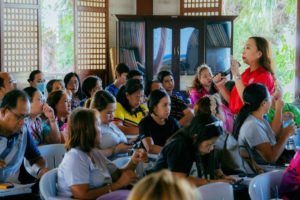
The first activity – a Roundtable Discussion on Dengue and Integrated Control Measures, including vaccination – took place at the Audio Visual Room of Bacolod City College (BCC). It gathered local media members, barangay officials, and Barangay Health Workers to discuss the city’s current dengue situation, community-based prevention strategies, and the critical role of accurate information dissemination.
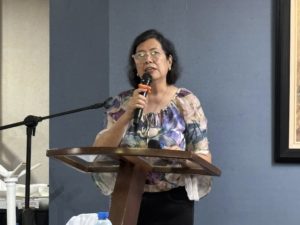
In the afternoon, a separate session was held at the Heritage Hall of Rizal Elementary School, with public school teachers from elementary and secondary levels, and School DRRM coordinators in attendance. The discussion focused on strengthening schools’ role in prevention, early detection, and health education for students and their families.
The activities were conducted in partnership with the Union of Local Authorities of the Philippines (ULAP), the Philippine Pediatric Society (PPS), and Takeda Healthcare Philippines, as part of a citywide dengue awareness initiative.
During the BCC roundtable, Assistant City Health Officer Dr. Grace Tan, head of the City Health Office Environmental Sanitation Division, presented the latest dengue data. From January 5, 2025 to January 3, 2026, the city recorded 1,040 cases – a 60.4 percent decrease from the same period the previous year. Despite the reduction, dengue-related deaths were reported, underscoring that the disease remains a serious public health concern.
“Lower case numbers should not lead to complacency. Dengue outbreaks can happen again if prevention efforts are not sustained,” Dr. Tab said.
Global data shared during the sessions noted that the Philippines records the highest number of dengue cases in the ASEAN region, with over 340,000 cases reported as of November 2024 – highlighting the need for stronger local prevention measures.
Both discussions emphasized an integrated approach to dengue control, covering environmental sanitation, the 4S strategy, early medical consultation, community awareness, and school-based programs. Participants were reminded that no specific cure exists for dengue, making prevention the most effective defense.
Resource speakers for both activities were Dr. Rachelle Vicencio and Dr. Alexis Milan, pediatricians and fellows of the Philippine Pediatric Society. They addressed dengue health risks for children, cautioned against misinformation and unproven remedies like tawa-tawa or gatas-gatas, and urged early consultation at the first sign of illness.
Updates on global prevention efforts were also shared, including the Phase 3 TIDES trial of dengue vaccine TAK-003, which showed long-term protection against the disease and hospitalization. The vaccine is currently under review by the Philippine Food and Drug Administration.
The initiatives are part of Bacolod City’s broader dengue advocacy program, which aligns with the Department of Health’s Alas Kwatro Kontra Mosquito campaign – encouraging households and communities to regularly eliminate mosquito breeding sites.
Through sector-specific engagement with media, barangays, and schools, the Bacolod City Government continues to strengthen its citywide response to dengue and safeguard the health of its residents.* (Bacolod City Communications Office text & photos)


Comments