7 New Slaughterhouses to Elevate Food Safety, Livestock Industry in Province
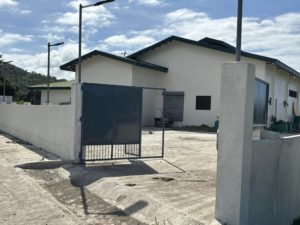 The establishment of seven abattoirs in Negros Occidental under the Department of Agriculture-Philippine Rural Development Project (DA-PRDP) is poised to improve food safety and meat inspection services as well as boost the province’s livestock industry.
These “AA” abattoirs, with a total project cost of PHP373.4 million, are located in the municipalities of Murcia, Hinobaan, Cauayan, Binalbagan, Toboso, and E.B. Magalona, as well as in San Carlos City.
“This project is in support of the livestock industry in Negros Occidental, for food safety and for biosecurity,” DA-Negros Island Region Director Jose Albert Barrogo said in an interview on Wednesday.
He said the operation of the slaughterhouses will bring additional income to the local government units (LGUs) and livestock farmers will also directly benefit from these modern slaughterhouses.
On Monday, Agriculture Secretary Francisco Tiu Laurel Jr. led the turnover of the six abattoirs to the LGU recipients in a ceremony held in Murcia.
The construction of the E.B. Magalona abattoir is still ongoing.
The PHP60-million Murcia municipal abattoir was prioritized for implementation “due to its strategic location and substantial livestock population”, and its personnel were the first to complete the training required by the National Meat Inspection Service.
“This is one of the six abattoirs to be turned over today under the PRDP. This is a big help to the livestock industry. I have seen the inside, and it is clean and orderly. This is such an important facility for the country because this is where we get to control and monitor diseases, addressing food safety,” Laurel said in his message.
According to the PRDP Project Support Office-Visayas Cluster, the establishment of “AA” slaughterhouse is essential to ensure the safe handling and transport of meat and by-products.
It added the facility “helps safeguard food safety and protect consumers, meat vendors, processors, traders, and institutional buyers by providing access to quality meat processed in an accredited slaughterhouse”.
Each sub-project has a funding allocation of 80 percent from the World Bank. The 10 percent comes from the Negros Occidental provincial government while the other 10 percent comes from DA-PRDP.* (Nanette Guadalquiver/PNA)


Comments