FEATURE: Negros at a Crossroads
 Negros depends on its forests and rivers. They give us water, protect farms, and reduce the damage from storms. When they disappear, communities suffer first.
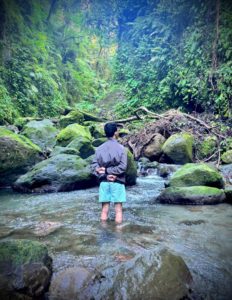
I was reminded of this during a recent visit to Barangay Patag in Silay City, part of the Northern Negros Natural Park (NNNP), a protected area that serves as a major watershed, supplying water to severals towns and cities in Negros Occidental.
The place is cool, green, and alive. Clear streams still flow there, and the forest still does its job—holding the soil, slowing down rainwater, and protecting everything below it.
But Patag also shows how little of this kind of forest remains on the island.
Today, Negros has lost most of its original forest cover. What is left is far below what experts say is needed to “protect watersheds and communities.”
This became painfully clear when Typhoon Tino hit. With forests gone and preparations weak, rainwater rushed down bare slopes, carrying mud and debris into rivers, towns, and farms.
Flooding, damaged bridges, and destroyed livelihoods followed because “nature’s defenses were already stripped away.”
Negros cannot afford to keep losing its forests.
Climate change is making storms stronger and rains heavier. Without trees to absorb water and stabilize the land, every typhoon becomes more dangerous.
 Development that ignores the environment only makes the problem worse, even when it happens inside areas meant to be protected.
Protecting Negros requires action—restoring forests, enforcing environmental laws, preparing communities, and supporting those who protect watersheds on the ground.
These choices decide whether floods and landslides will become normal, or preventable.
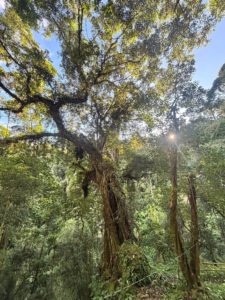
The forests of Patag are still standing. Some rivers still run clear, like the Cuyong river. But this will not last without effort.
2026 challenges Negrosanons to decide whether to protect what remains now, or pay a much higher price later.* (Reymund Titong / RT photos)


Comments